I suppose it’s a bit late now, but I do wish you a very happy and healthy 2026!
I haven’t done much gardening so far this year – it’s just been too cold and wet. I have been reading about gardening though and watching gardening programmes and videos. The RHS Magazine, The Garden, included a link to last year’s RHS John MacLeod Annual Lecture, which was delivered by Kate Bradbury. You’ve probably seen her on TV or listened to her on the radio – she’s an award-winning garden writer, broadcaster and TV presenter, specialising in wildlife gardening. Anyway, I found her lecture very interesting and, important for me, entertaining.
She talked about how difficult it was in her early twenties to persuade gardening magazines to feature more about wildlife gardening – it’s hard to believe now isn’t it. Little by little things improved as conservation groups pushed the subject, and Kate essentially badgered the powers that be so much, that in the end they gave in for an easy life.
When she was starting out in her writing career in the early Noughties, she saw an article in The Independent entitled Plight of the Bumblebee, which sparked a lifelong passion for the protection of bumblebees and wildlife in general. A few months later the landlord of one of her friends, was threatening to get pest control in because there had been a complaint about a bumblebee nest in her garden. One of her friend’s flatmates had dumped an old duvet out there. It had been kept behind a sofa against a damp wall, should anyone need to stay over after an evening of revelry, but it had become mouldy and smelly. Instead of doing the grown up thing and washing it or disposing of it responsibly, it ended up in the back garden – they weren’t long out of Uni! Anyway a red-tailed bumblebee made a nest in it – apparently they like damp habitats. Crikey I wouldn’t have used it when it was indoors, never mind out in the garden, but each to their own. Kate was incensed that the bees might be disposed of so, thanks to the magazine article, she managed to track down the Bumblebee Conservation Trust. They advised her to wait until night time when the bees would all be back in the nest and because it was dark, they wouldn’t sting. The directions were to cut the nest out of the duvet, put it in a shoebox with some moss and grass and take it to her allotment. She didn’t question any of this, but her friend’s mum who had been enlisted to help, quickly rustled up a makeshift bee keeper outfit for herself out of some old net curtains. She didn’t get stung but Kate did. Can you believe she then drove to her allotment with a live bee nest in her car and nestled it under a hedge. It was all worth it because in the coming days she took great pleasure in watching the bees coming and going, saved from the clutches of pest control. The Bumblebee Conservation Trust web site is full of information about the continuing plight of bumblebees, and has great tips on how to make your garden more bumblebee friendly – it’s really worth a look.
Kate went on to highlight how, while one garden can’t save the world, collectively we can do a huge amount in our gardens to help wildlife. One statistic that stuck in my mind is that baby bluetits eat around 100 caterpillars a day for the first 3 weeks, and there can be up to 14 chicks in each nest. No wonder my Mr & Mrs BT were constantly on the go and near to exhaustion! Even though I have lots of caterpillars in my garden – remember this and this – there will never be enough to fulfil that kind of order. But, if the birds can collect them from many gardens, they might be in with a fighting chance. The other thing I hadn’t thought about is that our native butterflies need native plants to lay their eggs on, so we need to think about what we’re planting. Just plant loads of broccoli and cabbages, but don’t expect to end up with any to eat!
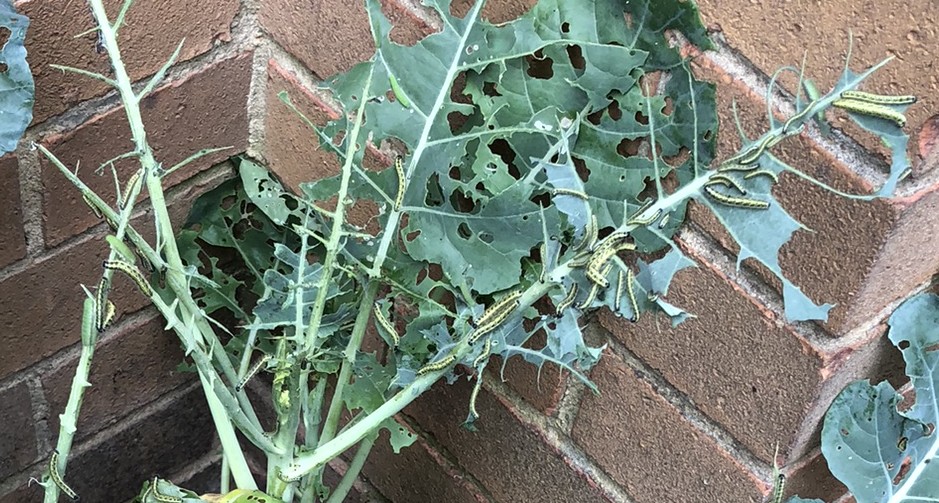
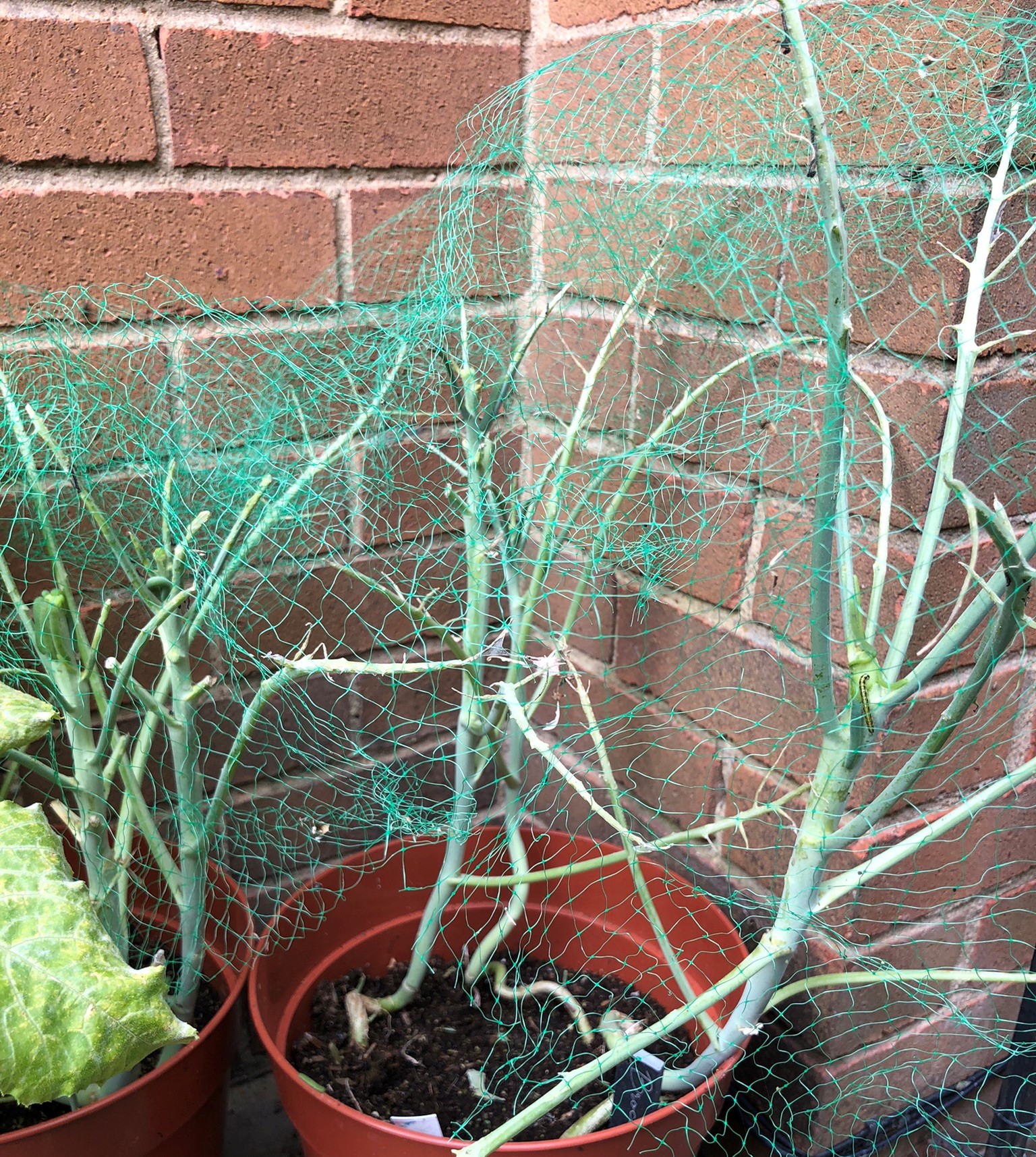
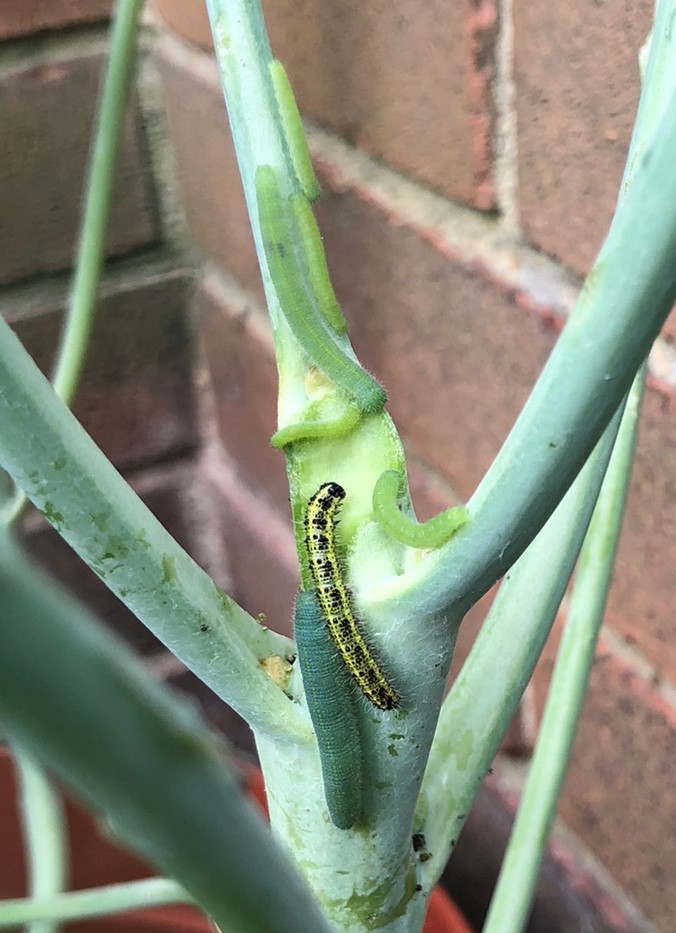
Another thing I hadn’t thought about is that 70% of a hedgehog’s diet consists of caterpillars, beetles and earthworms – they do also eat slugs and snails, although perhaps not as many as we would like. But then the plight of hedgehogs is another worrying story.
Now I do think Kate perhaps goes a little beyond the call of duty. When she spots nettles that tortoiseshell butterflies have laid their eggs on, she picks them before the council can come along and clear them. Then she nurtures them in net cages in her bathroom until the butterflies emerge and can be released. AI reliably informs me that Kate is not publicly known to have a partner.
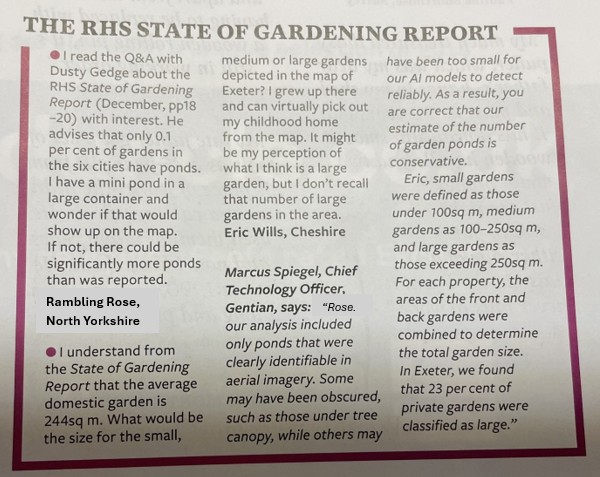
Kate, along with every gardening expert you come across, highlights the importance to wildlife of garden ponds, whatever their size. Now I know she has won awards and been on the TV etc, but your very own Rambling Rose has recently enjoyed a moment of fame. In December The Garden featured an article on the RHS State of Gardening Report. Eric of Cheshire and I wrote in querying some of the findings and we were published in the February edition!


 Rambling Rose
Great blog, Belinda. I think Kate Bradbury is a hero -I love the idea of caterpillars hatching into butterflies in my bathroom -although I do accept that wouldn’t suit everyone 🤣 I would also like to read more letters about gardening issues in the National papers from Rambling Rose.
LikeLike
I don’t think GR would tolerate sharing our bathroom – I have sent another letter to the RHS mag, so you never know!
LikeLike