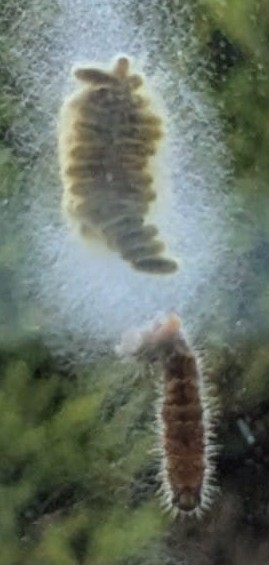
First an update – following on from last month’s tale of caterpillar carnage, I thought you might be interested to see this photo my sister sent me of parasitoid wasp cocoons on her window! Gruesome eh?
Anyway, moving on – I was admiring Victoria’s lavender bed a few weeks ago and we were marvelling at the number and variety of bees visiting the flowers. She questioned where all the bees disappear to in winter – I said I’d look it up. It seems that different varieties of bees have different survival techniques. Bumblebees look like they might be OK, in their Elizabeth Taylor style fur coats, but that’s not the case. They can’t survive being out in cold temperatures and their favourite foods aren’t available in winter. I don’t suppose Liz would have needed to be out in the cold for long, not even in a fur coat, and she certainly wouldn’t have gone short of food (or drink  ) in the cooler months.
Apparently there are over 250 species of bees in the UK – can you believe, there are 24 different types of bumblebee and one domestic honeybee. The rest are solitary bees. Bumblebees hibernate in winter after pigging out on nectar. They hide away underground, or even in flowerpots. To be honest I had never heard of Bramblebees before Googling, but apparently they tuck themselves into bramble stems to keep cosy over winter.
After enjoying buzzing about in the spring, many of the solitary bees finish the season with a bang, if you’ll pardon the expression. They mate and lay eggs in their nests. The grubs hatch and feed on pollen left by their mums. They mature by the end of autumn, but hibernate until spring when they emerge to feed from early flowers. Climate change sometimes messes with these timings, which is why we do see bees at unexpected times of the year now.
I’ve written about the value of woodlice in our gardens before, but I read an article this week which advised that they are edible and taste like prawns when cooked. Now I’m partial to a juicy prawn or 2, but I don’t think I could be tempted – imagine all that peeling too. Of course, the likes of Ray Mears and Bear Grylls might suggest eating them in a survival scenario, but I bet there’s a budding Michelin starred restaurant somewhere out there considering serving them up. I have discovered that M Holt wrote a book in 1885 entitled Why Not Eat Insects. He wrote it in an attempt to help people living in poverty and to introduce some diversity to the diet. As mentioned in the past, woodlice do find their way into my house quite frequently, but they definitely won’t be gracing my table if I can help it.
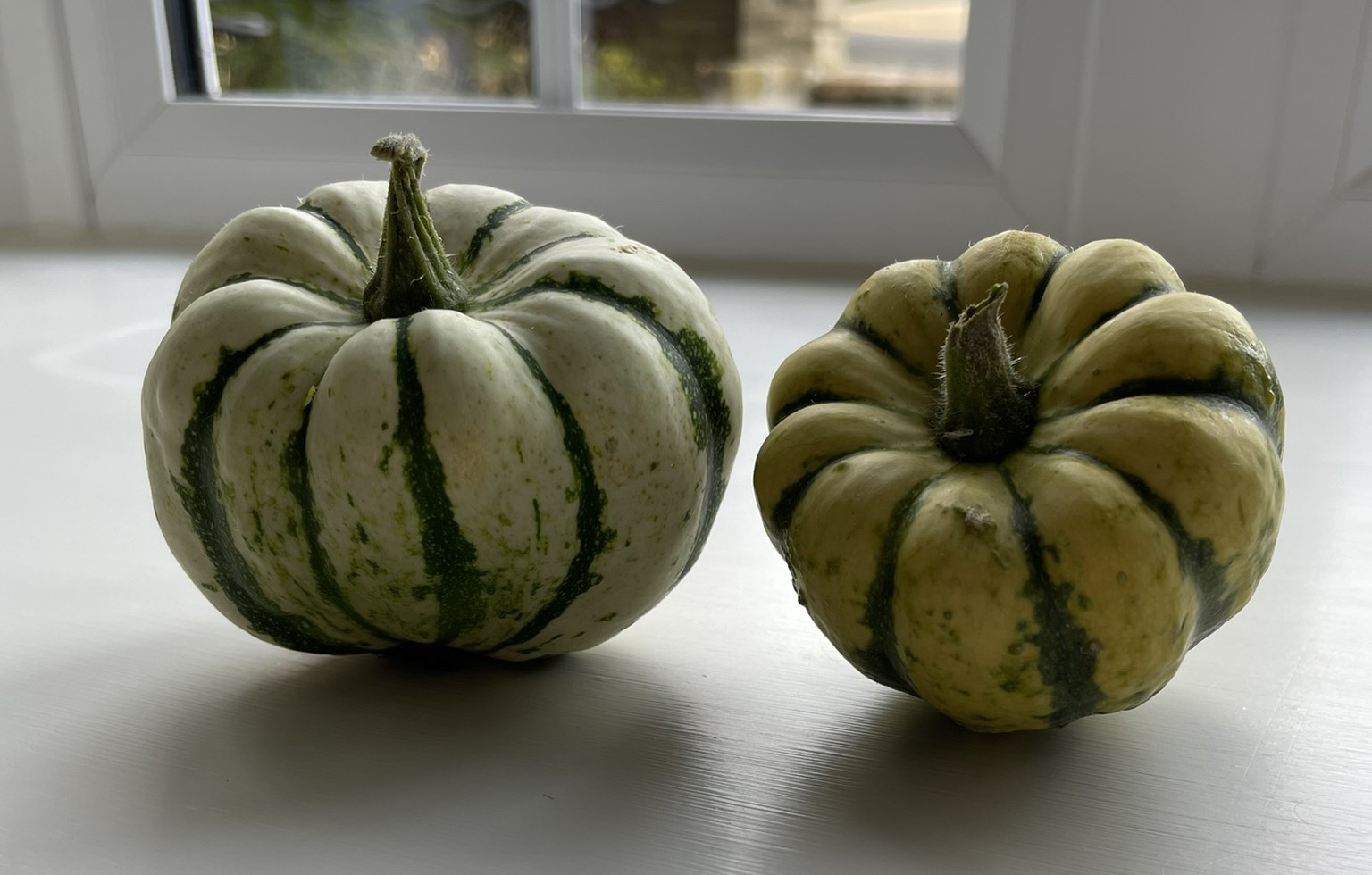

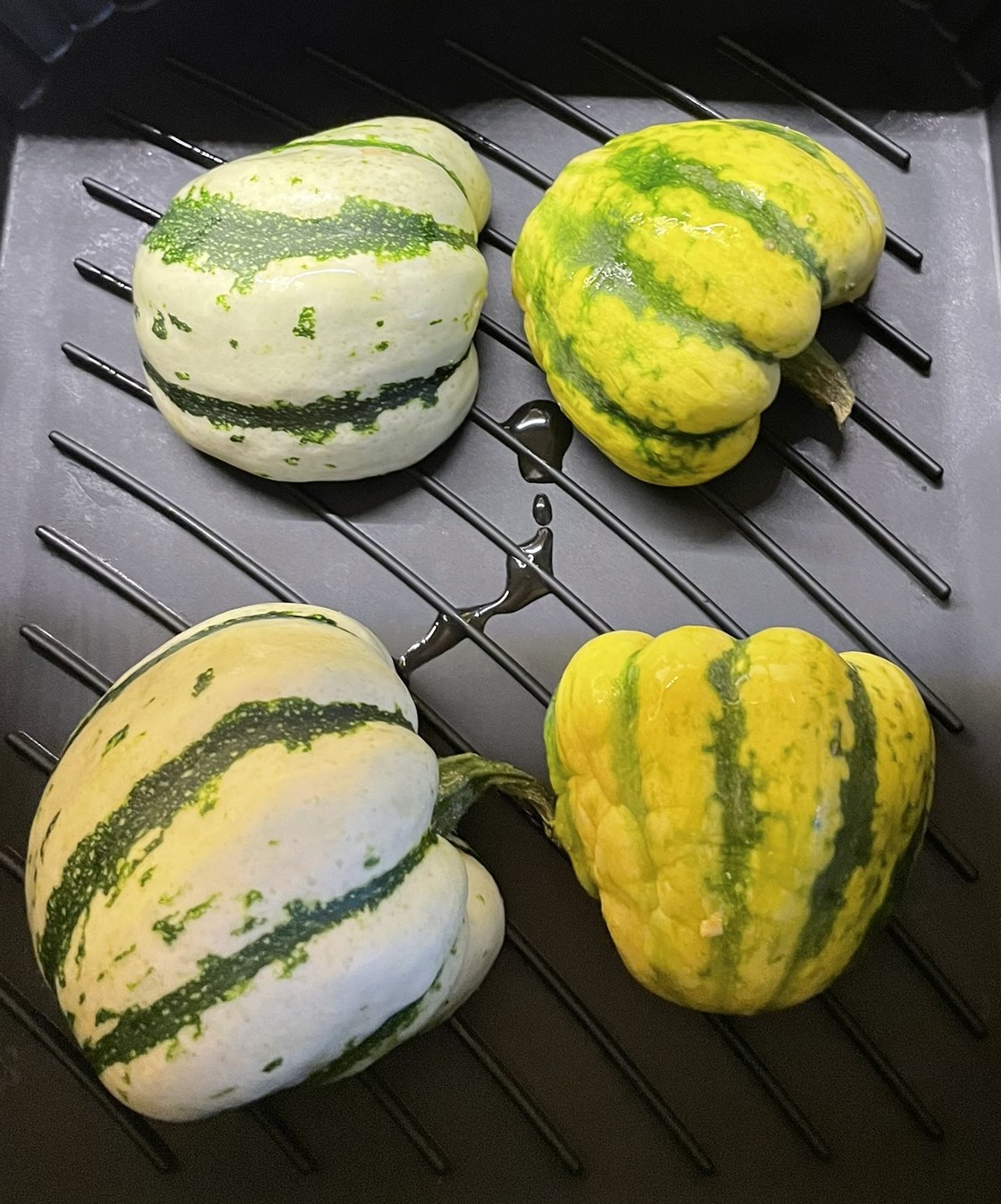
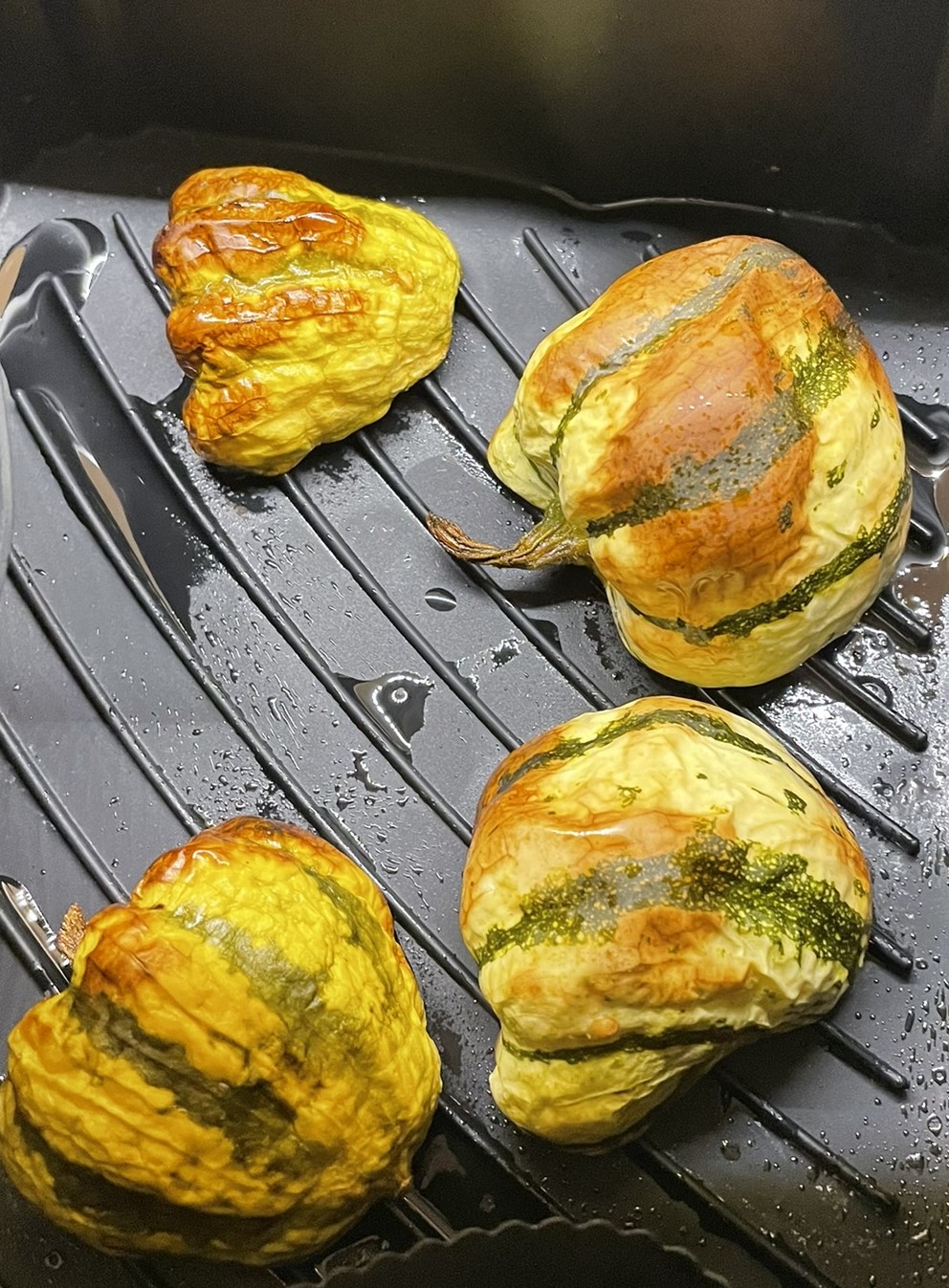
We’re now in the midst of Master Chef and Bake Off season. Have any of the contestants presented sweet dumpling squash to the judges, I wonder? I think I mentioned last time that I’d grown 3 – well one dropped off, but this week I roasted the remaining 2 in my air fryer. They were delicious, mashed with a little salt and black pepper. I’ll try to increase my crop next year – I better treat them to bigger containers next time.
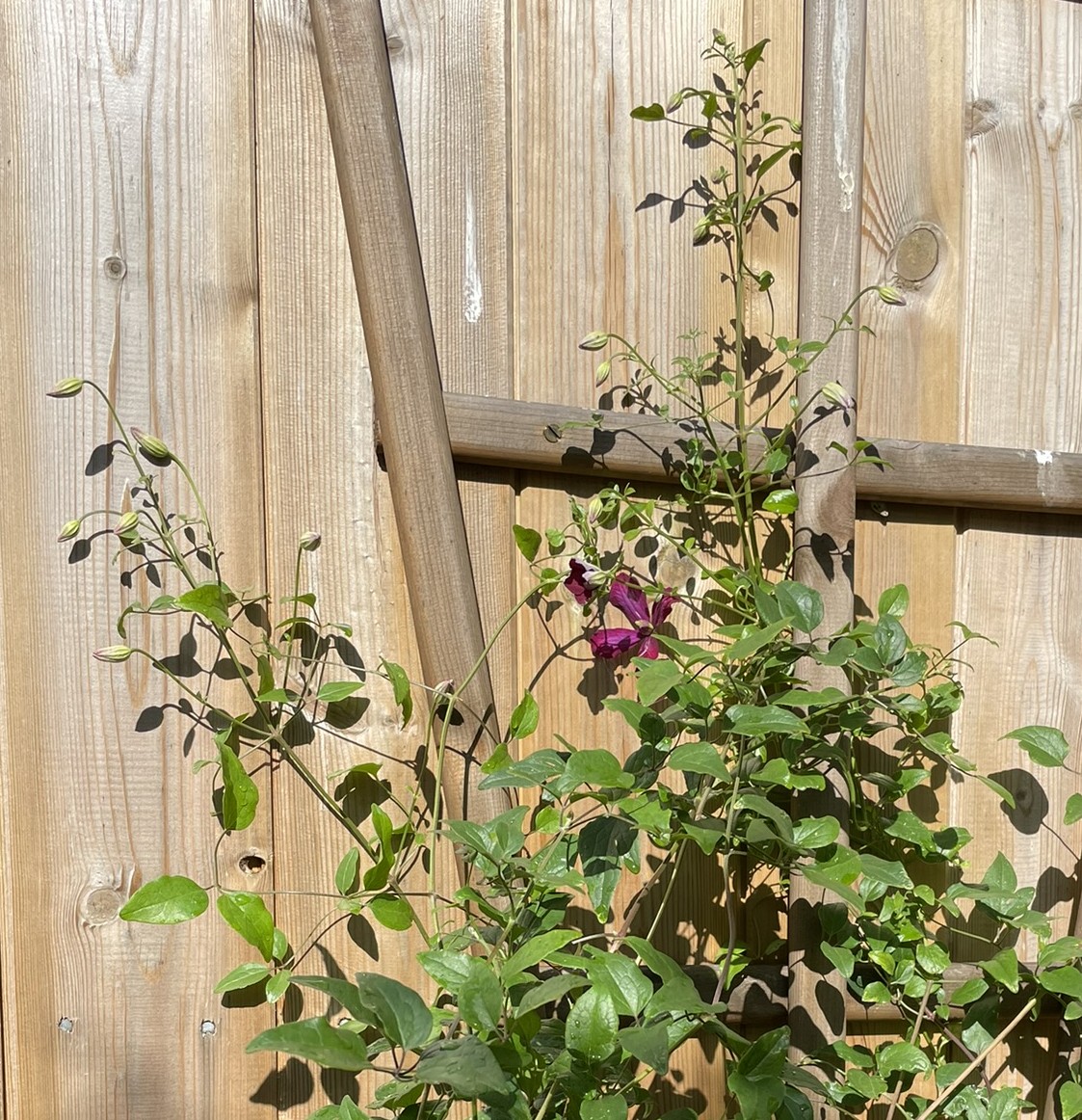
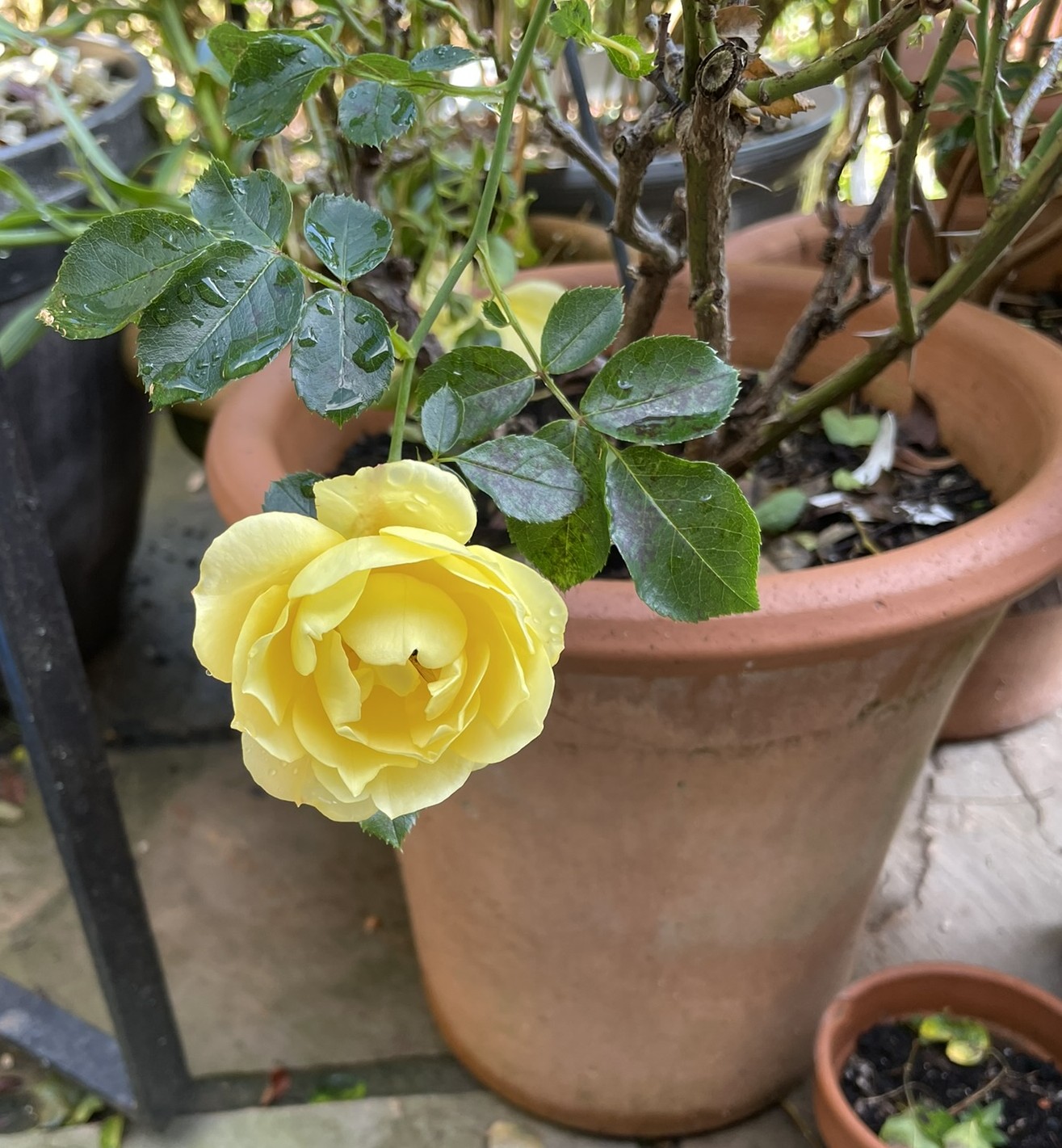
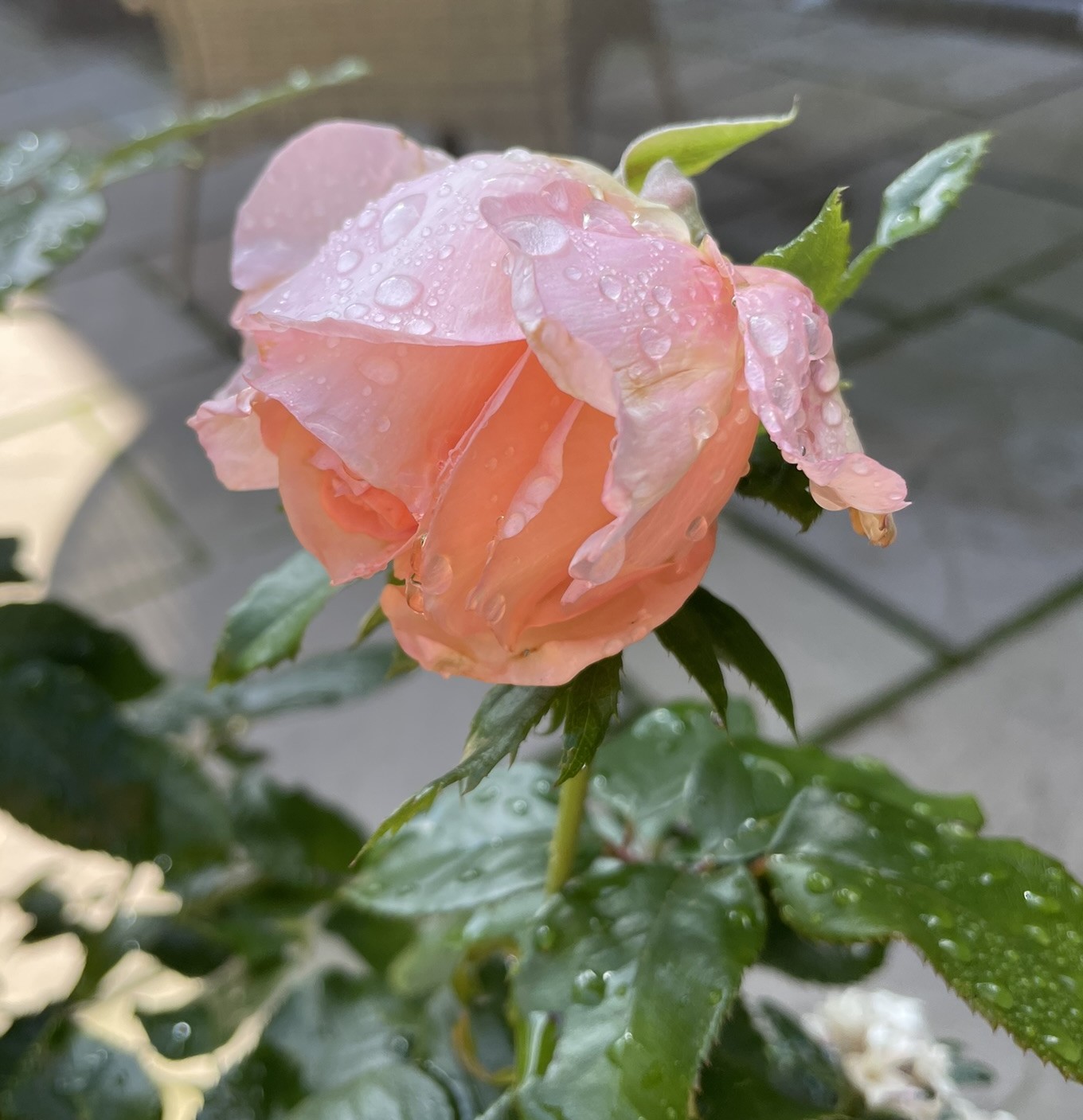
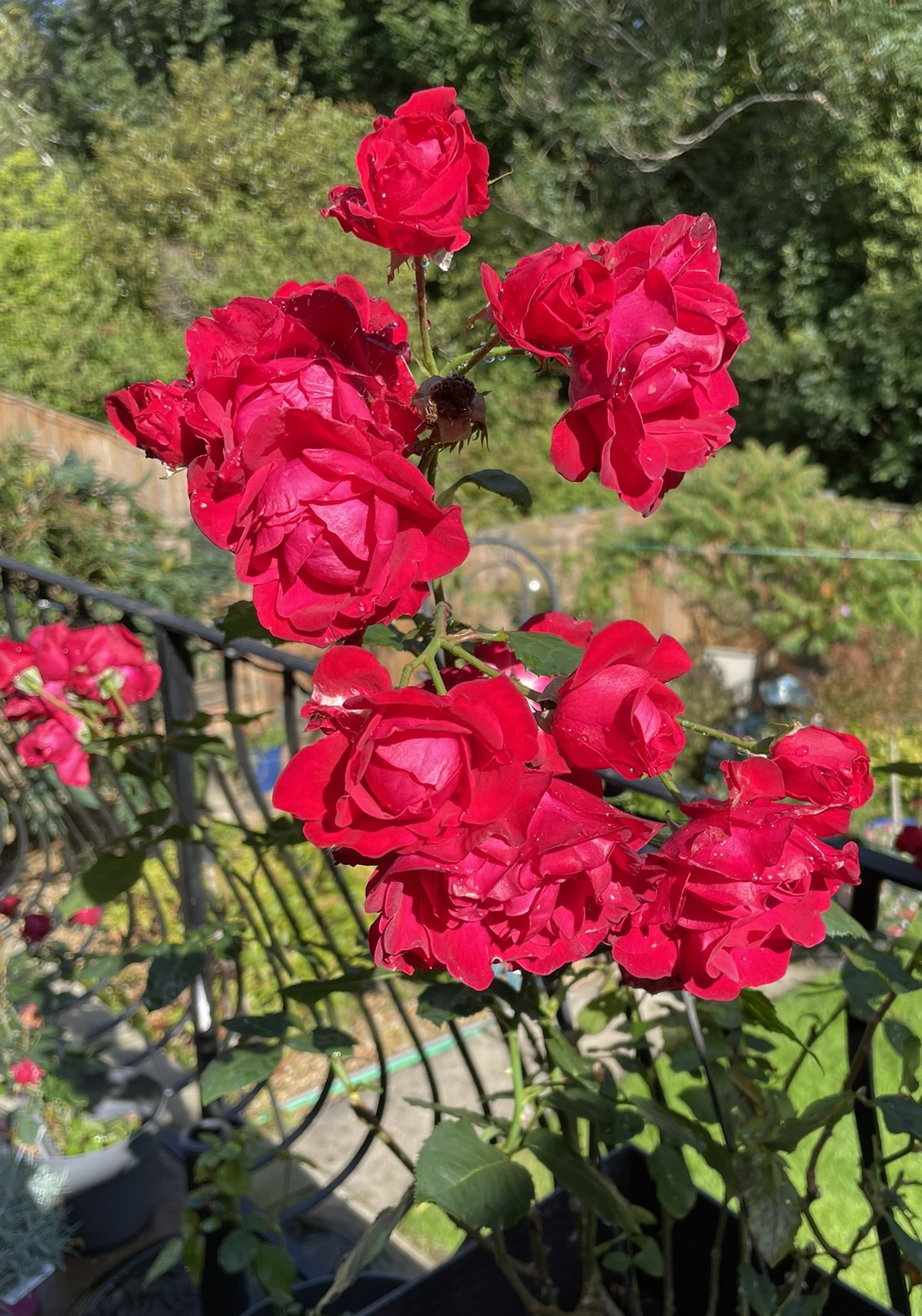
So we’ve now had quite a lot of rain, which we need, but not nearly enough. There’s still plenty of sunshine though – 2 of my clematis are loving it and it’s certainly been a good year for the roses!


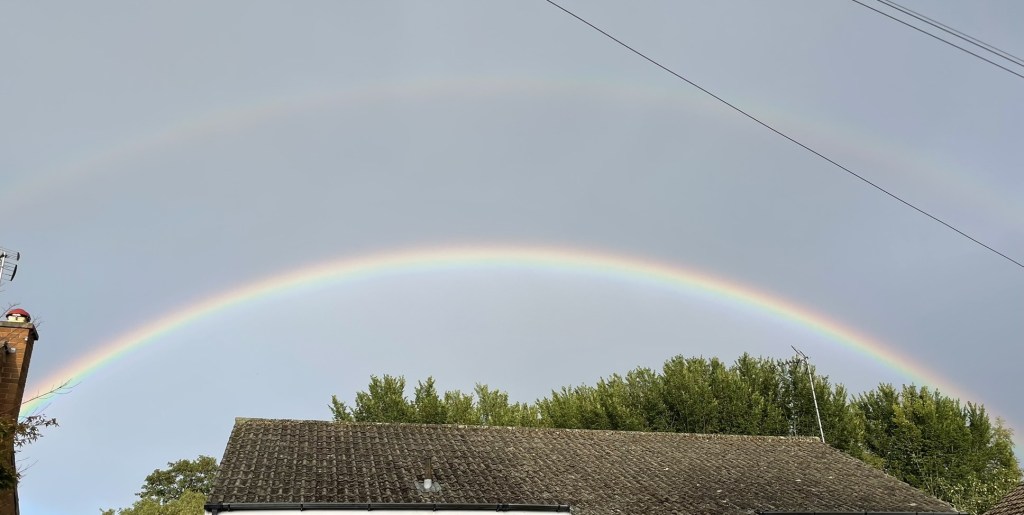
Oh, and it’s made for some brilliant rainbows – this was a double one that appeared over our street recently.


 Rambling Rose
Bees are such fascinating creatures. I once read about making a bee hotel with hollowed out bamboo canes of various sizes so the bees go in there.
Nothing would persuade me to eat woodlice. I can’t bear to touch them Lol
LikeLike
Happy days. Your writing always makes me smile. 😊
LikeLike
Are you going to make the bee hotel? I totally agree about the woodlice!
LikeLike
I’d like to but right now I need a 36 hr day.
LikeLike
So fascinating about the bees – so many solitary ones. You always think of them living in hives – and being dependent on the hive for survival.
I’m rather fond of woodlice…(but not to eat…)
LikeLike
Yes I think many of us imagine they all live in hives!
LikeLike