I have a favourite saying, which some might say I overuse. For example when we moan that the clocks are about to change, and for a while we’re going to be spending much of the day in the dark, I empathise wholeheartedly, but can’t resist adding – ‘still, it happens every year‘. Also when some of us start to chunter about the impending Christmas season (I think I’ve mentioned before, I’m a bit bah humbug), I do acknowledge – ‘I know, it happens every year‘.
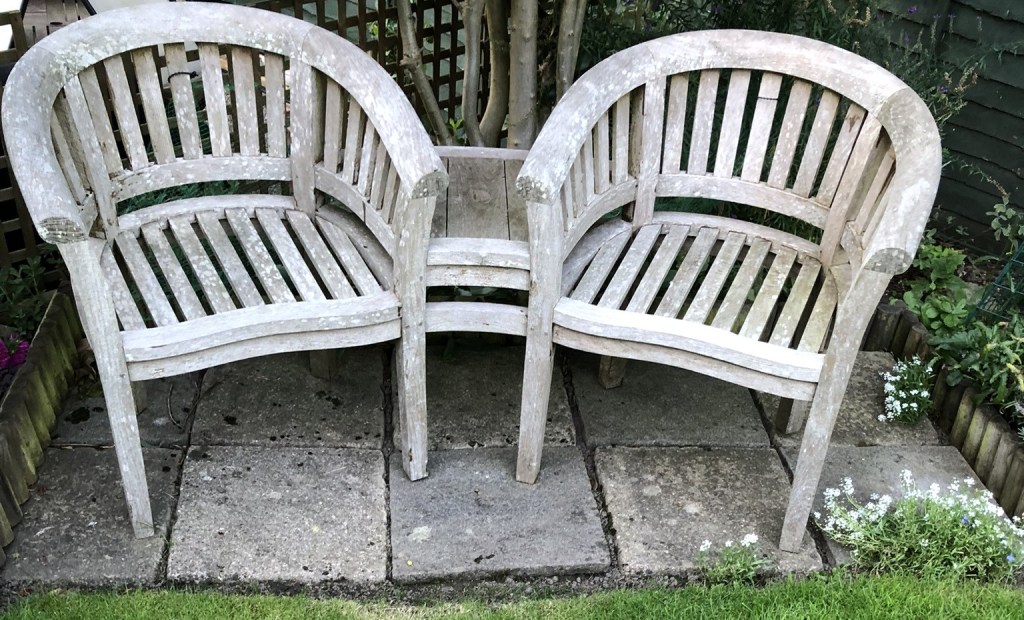
Of course in the plant world, perennials are the ones that happen every year. Historically I’ve grown mainly annuals to plant in my herbaceous border (that’s probably a bit of a grand description for the flower bed at the bottom of my garden). Annuals are the ones that flower in the same year as you plant them and then die. Before they peg-it they do produce seeds though, which you can collect, if you’re organised enough. Otherwise they cleverly scatter them, generating seedlings that pop up in the garden the following year – usually in the wrong place! Here’s an example of some alyssum seeds that found their way out of a pot that sat by this bench last year.
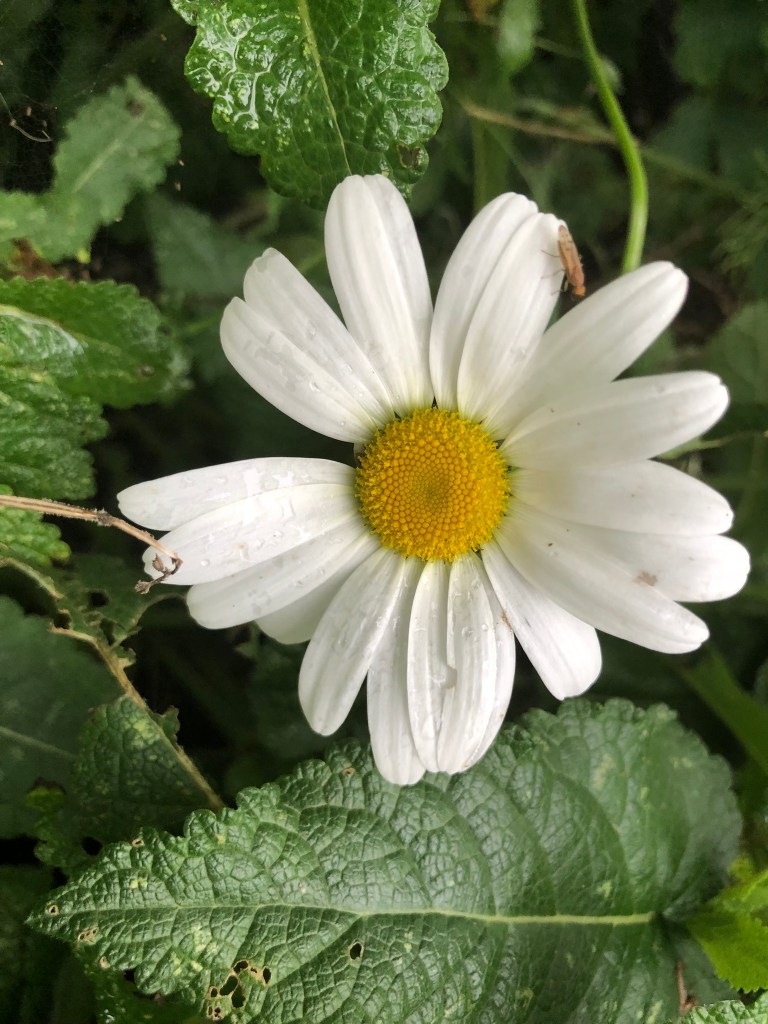
I’m only just getting to grips with understanding biennials. To my simple mind, they grow leaves in the first year, but don’t produce flowers until the following year, after which they produce seeds, ready for the two year cycle to start again. I grew some ox-eye daisies from seed – they’re biennials. I kept them in my plastic greenhouse and planted them out this summer – they’ve been amazing, but it is a long time to wait – gardening does try to teach you to be patient. I guess I need to get organised and sow some every year to avoid disappointment – although they should also do their own reseeding.
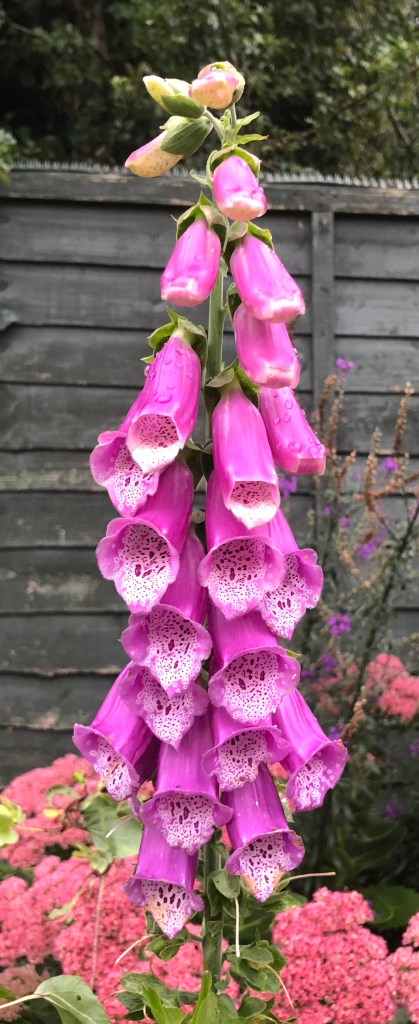
Most foxgloves are biennials. Victoria kindly gave me a whole load of seedlings from her garden and I had masses flowering last year. I think I might have been a bit keen with the dead heading though, because I’ve only found a few seedlings popping up this summer and of course no flowering ones, which I was sad about because they transport me back to my childhood and the story of Jemima Puddleduck.
Some poppies are biennial – I thought they wouldn’t be fussy – they seem to pop up happily in fields. However I’m told they are quite hard to get established. Another friend gave me some poppy seeds last year – apparently they’re the big blousy red variety, but I’ve yet to find out. The seedlings grew OK but when I planted them out all but one got eaten by slugs and snails overnight. The survivor hasn’t flowered yet, so I’m assuming it’s a biennial variety – I’ll let you know if it puts on a good show next year.
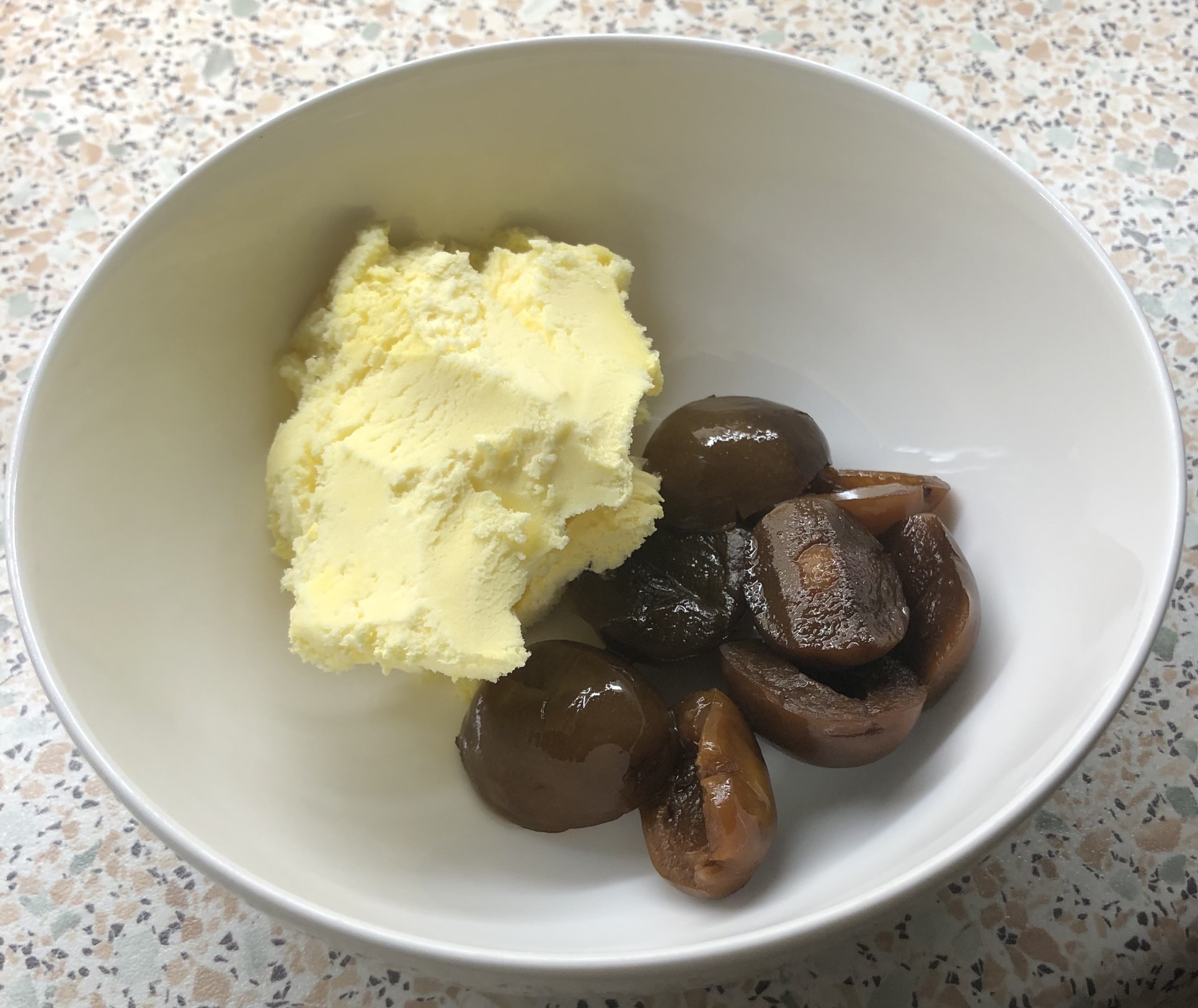
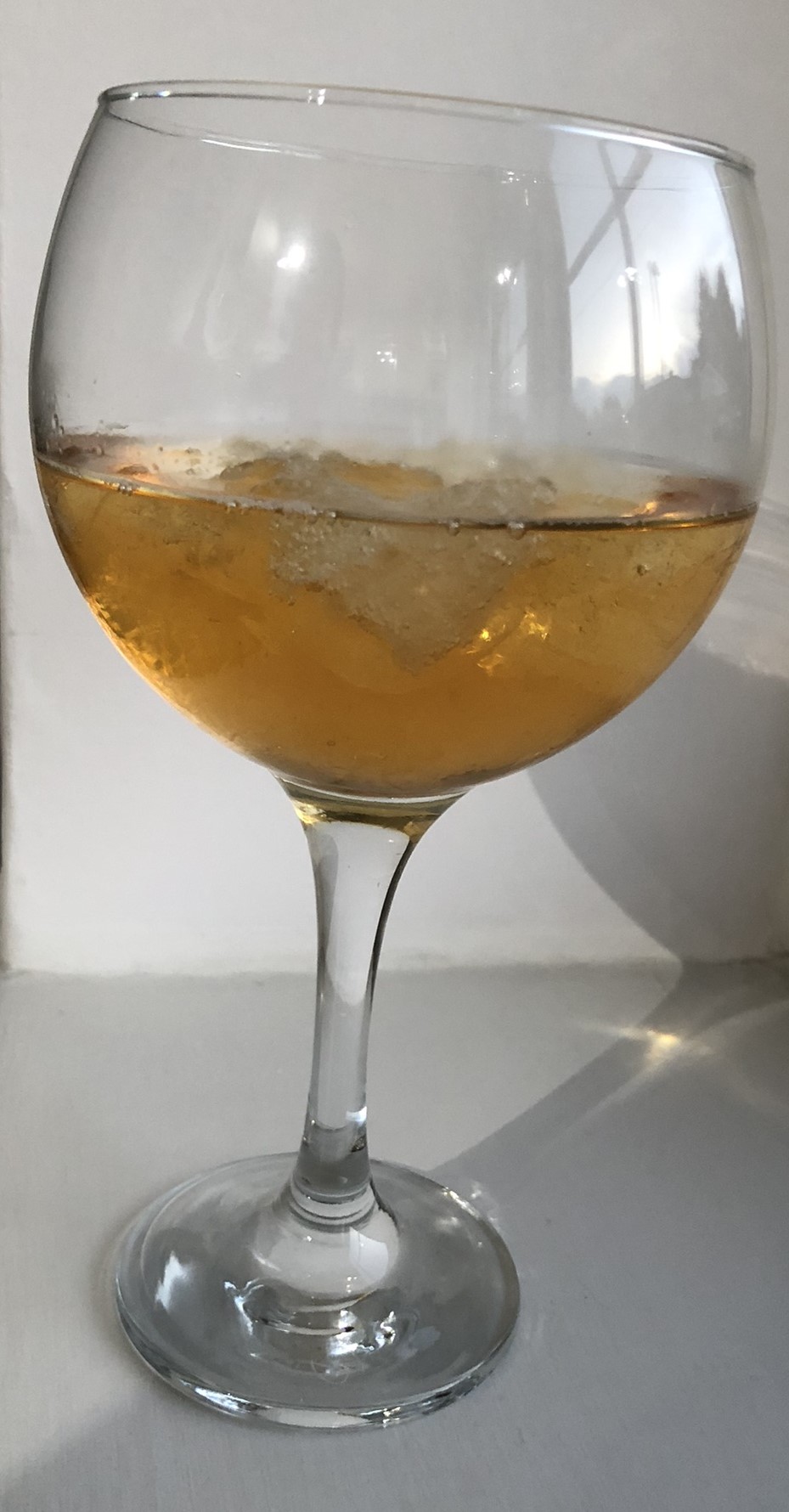
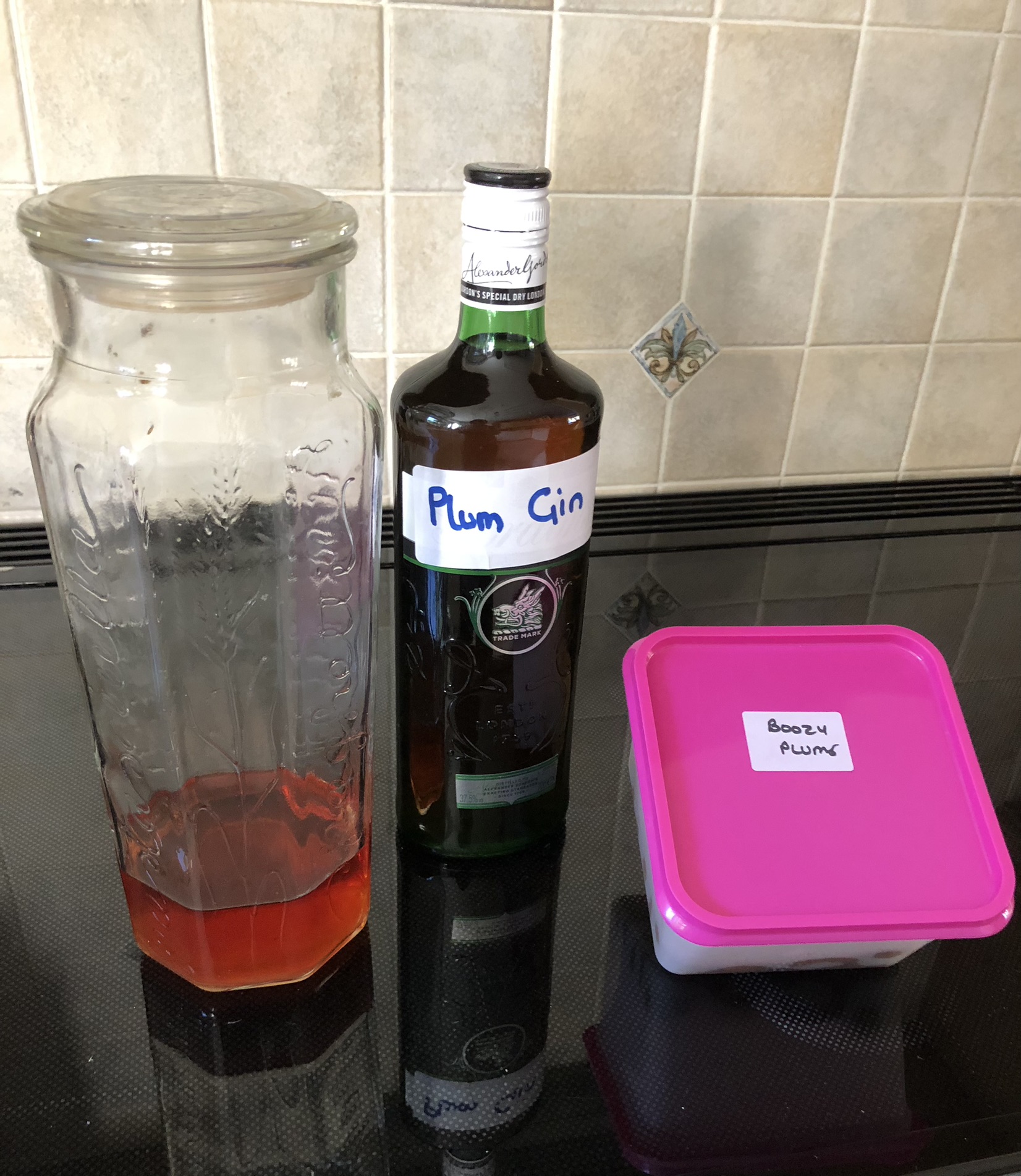
Anyway, while we’re waiting for all this to happen, I have some exciting news! The plum gin I told you about is ready. I’ve strained it and bottled it – look at the beautiful colour. While I was at it I did taste one of the boozy plums – I was restrained on account of it being 8am – it had a real kick, so I sampled some with ice cream last night. I know the plums in their pickled form don’t look that appetising (in fact they look decidedly suspect), and you may notice I missed stoning one, but my goodness they were delicious. The rest of my stock will be lucky to see the week out – I don’t think the gin will last long either – it tastes great with ginger ale but it’s amazing neat – eek …

 Rambling Rose
I always learn from your posts Belinda – the information on biennials is interesting…I think I thought it meant they flowered twice in a season, which is wrong!
I have a wild yellow poppies and loads of foxgloves in my garden. Nothing to do with me.
Bring on the plum gin
LikeLike