Are you old enough to remember the song Tiptoe Thru’ the Tulips With Me by Tiny Tim – if you are, then it’s probably best wiped from your mind screen. If you aren’t, then count yourself lucky! Recently I attended a talk about tulips, delivered by Teresa Clements who is on the Committee of the Wakefield & North of England Tulip Society. It was fascinating, really well delivered and certainly not something to forget.
We learned that a tulip isn’t like a daffodil. With daffodils I’m sure you know that you should leave the leaves to die down after flowering, in order to pass goodness into the bulb, so that it will hopefully flower again the following year. I hadn’t realised tulips don’t grow from the same bulb each year, but make a new bulb, if you treat them in the right way. Ideally, whether planted in the ground or in a pot, they need to be in a nice sunny spot over the summer months – I can identify with that!
Another fascinating fact is that these bulbs were named tulips by mistake! The Persian name for tulip is laleh which sounds a bit like lily. That figures when you look at the shape of the flowers. But the story goes that in the 16th century the Austrian ambassador to the Ottoman Empire got a bit confused. He pointed at tulips decorating workers’ turbans and asked what they were called – the answer was tulipan, so the bulbs became known to us as tulips, but tulipan translates as turban.
Ottoman traders took tulip bulbs to the Netherlands and of course they soon found their way to Britain. A real craze began in the early 17th century, known as Tulip Mania. Tulip bulbs became regarded as an investment opportunity and some varieties commanded staggering prices. They even became a form of currency, properties being exchanged for just a few bulbs! By the 18th century British growers, known as florists began to cultivate tulips from seed, a process that can take up to 7 years to produce a bulb. They obviously had a lot more patience than me, and were off the scale where GR is concerned! Their quest was to enhance the decorative qualities of the flowers to achieve different shades, petal shapes and patterns and to show them off to family and friends. As time went on less wealthy people began to grow and show what became known as English Florists’ Tulips. Originally they were displayed in small stone jars with a narrow neck, which made them hard to fill and empty. Legend has it that one day some children, tasked with emptying them after a show held in a pub, left them in a bag on the street. Horror of horrors, it was picked up by the bin men (that nearly happened to me when a delivery man put a parcel in my wheely bin for safekeeping)! It is said that after the mishap, beer bottles became the display vessel of choice and that tradition continues today.
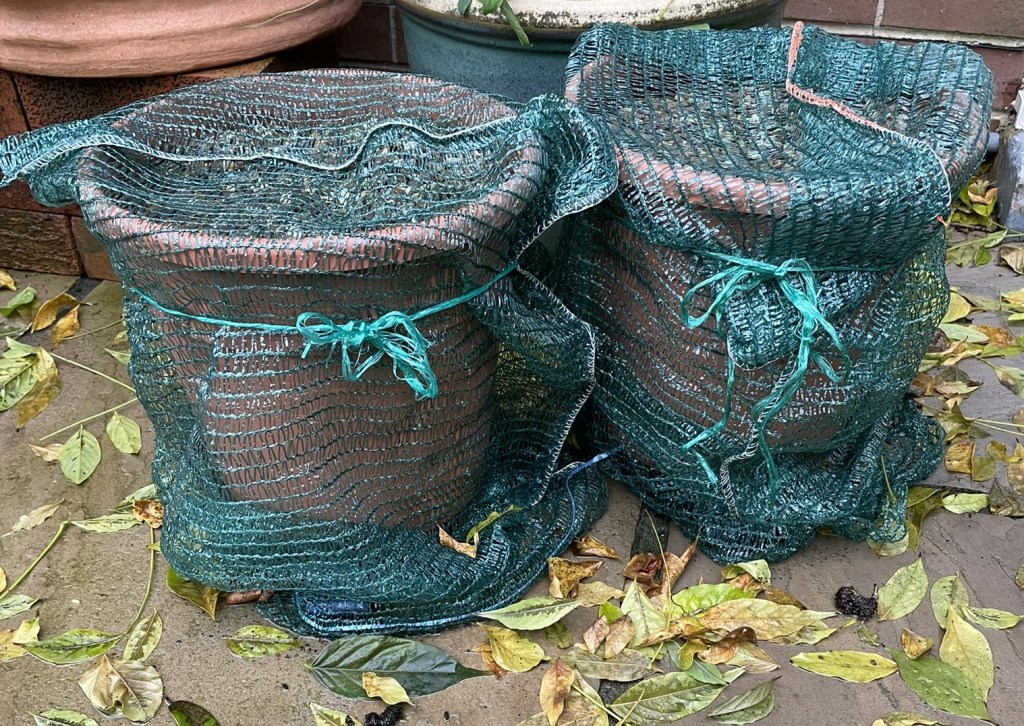
To be honest I’ve not had much luck with growing tulips in years gone by, so I haven’t bothered with them since. Inspired by Teresa’s talk I’ve just planted up some small tulips in pots. You’re supposed to wait until November to plant them, so I dutifully did. Planted too early, they are prone to succumbing to tulip fire, a fungal infection which causes brown spots and rotting – not a good look. Colder temperatures are thought to reduce the risk. But as we know gardening can be fraught with disappointment, so if tulip fire doesn’t get them, there are at least half a dozen viruses waiting in the wings to attack them, and if that fails squirrels and mice dig them up as a tasty treat. I’ve encased my pots in some recycled string bags in the hope the rodents won’t nibble their way through. Victoria has used heavy duty chicken wire – let’s hope both will do the job.
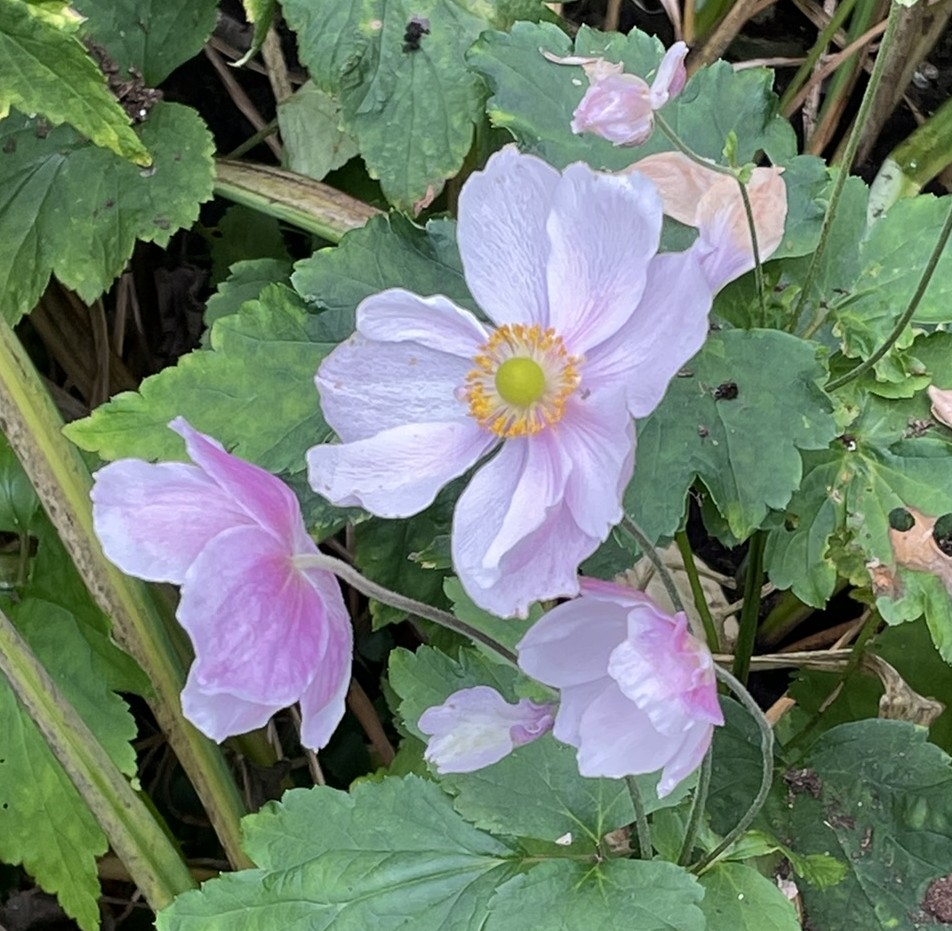
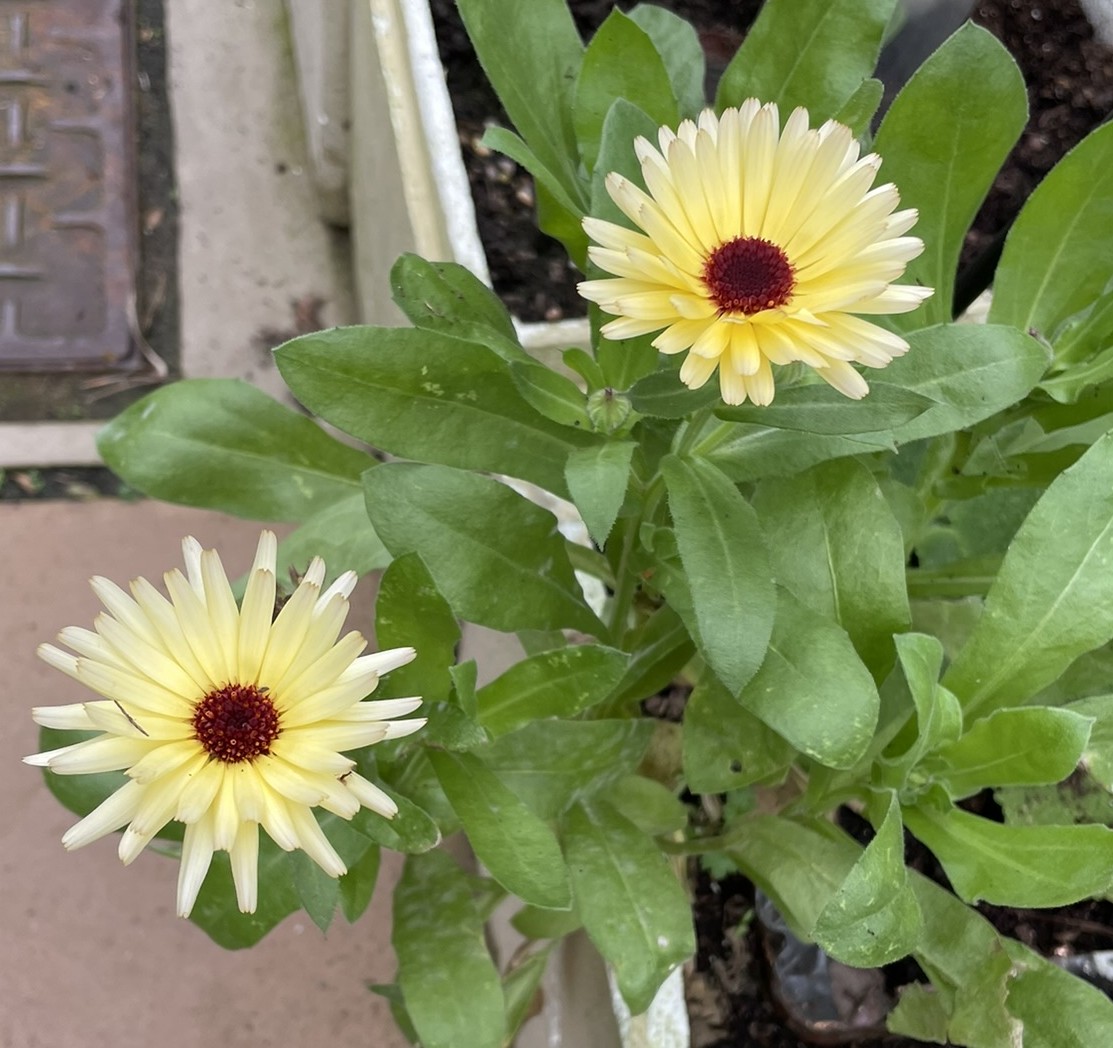
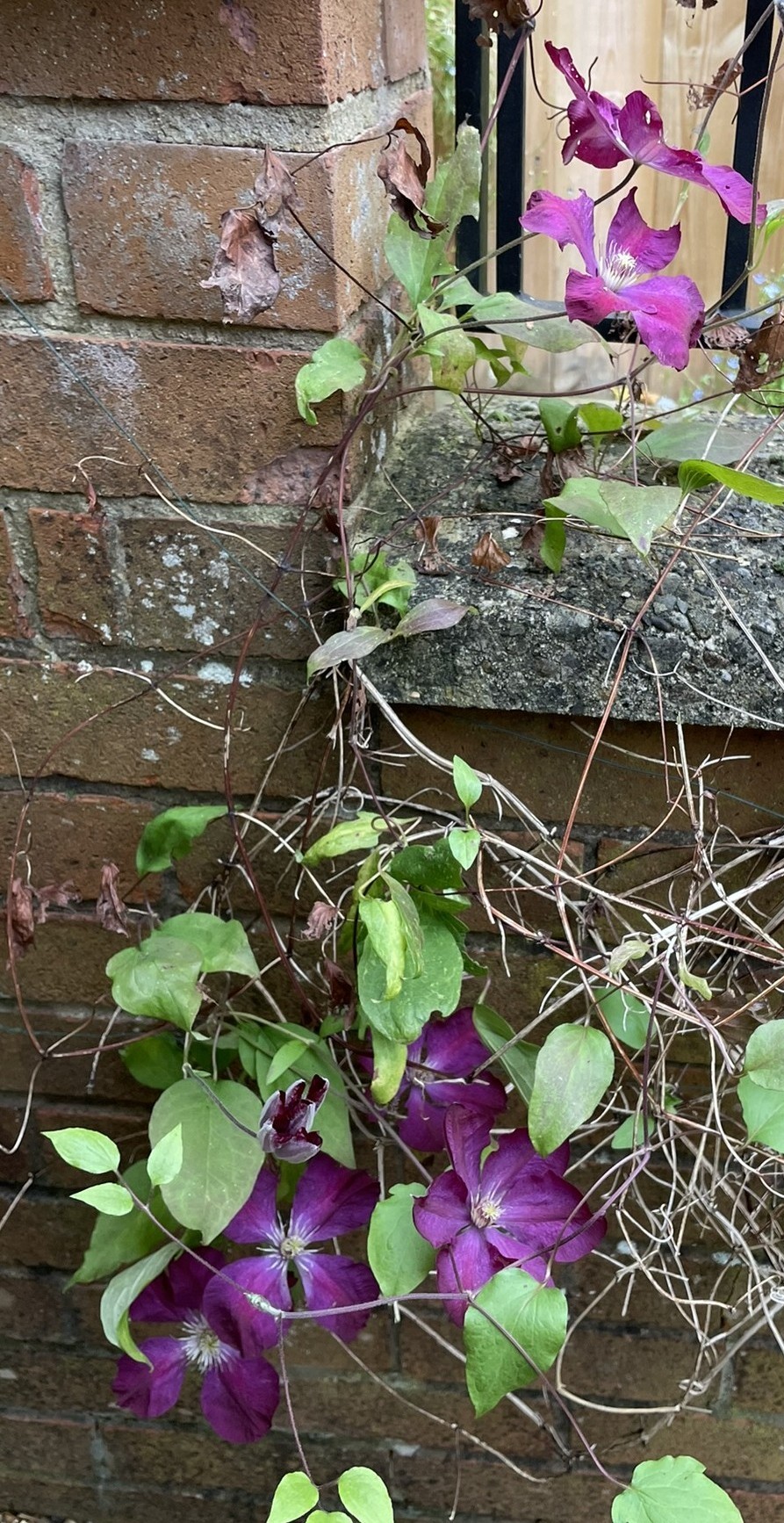
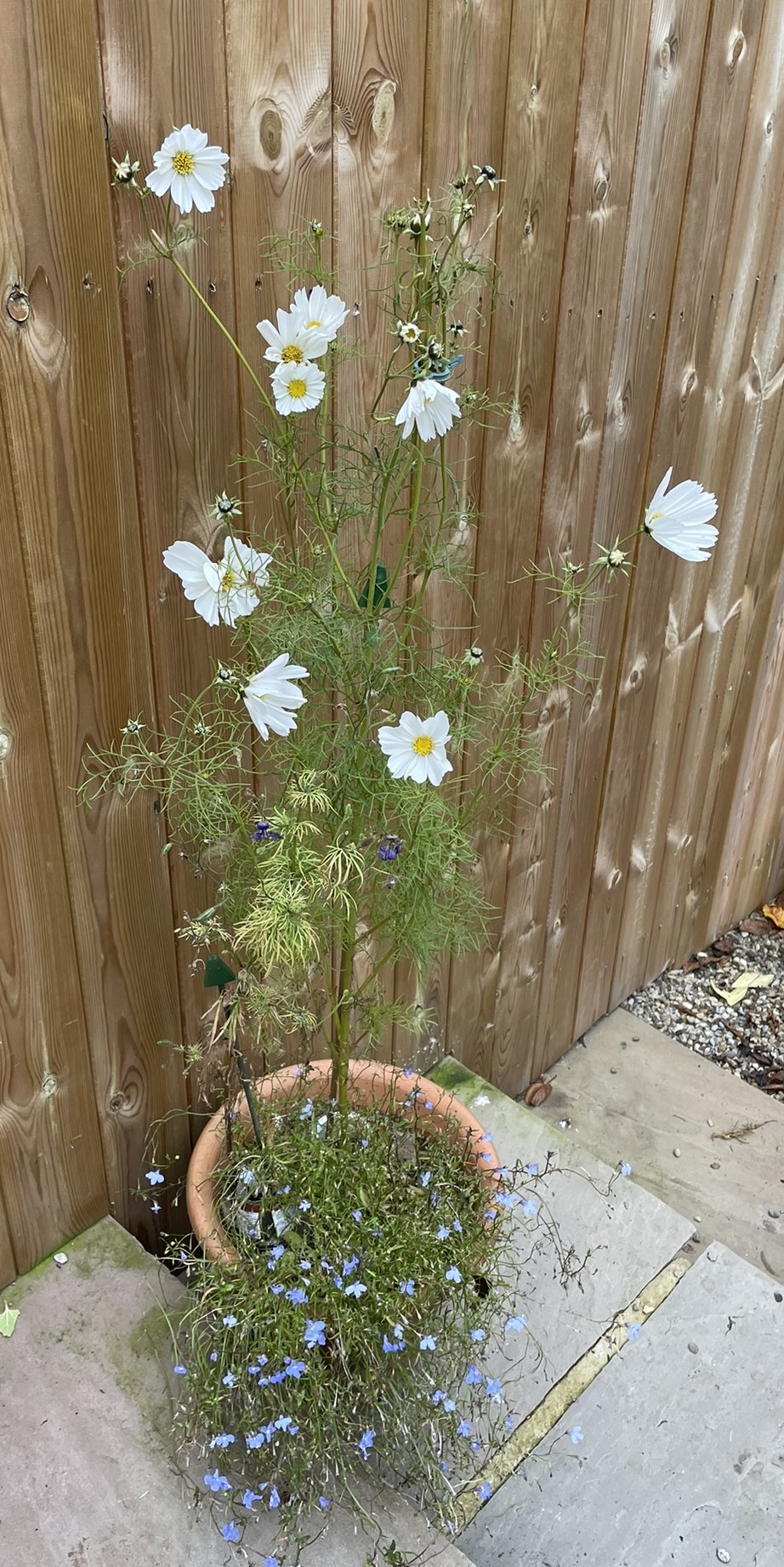
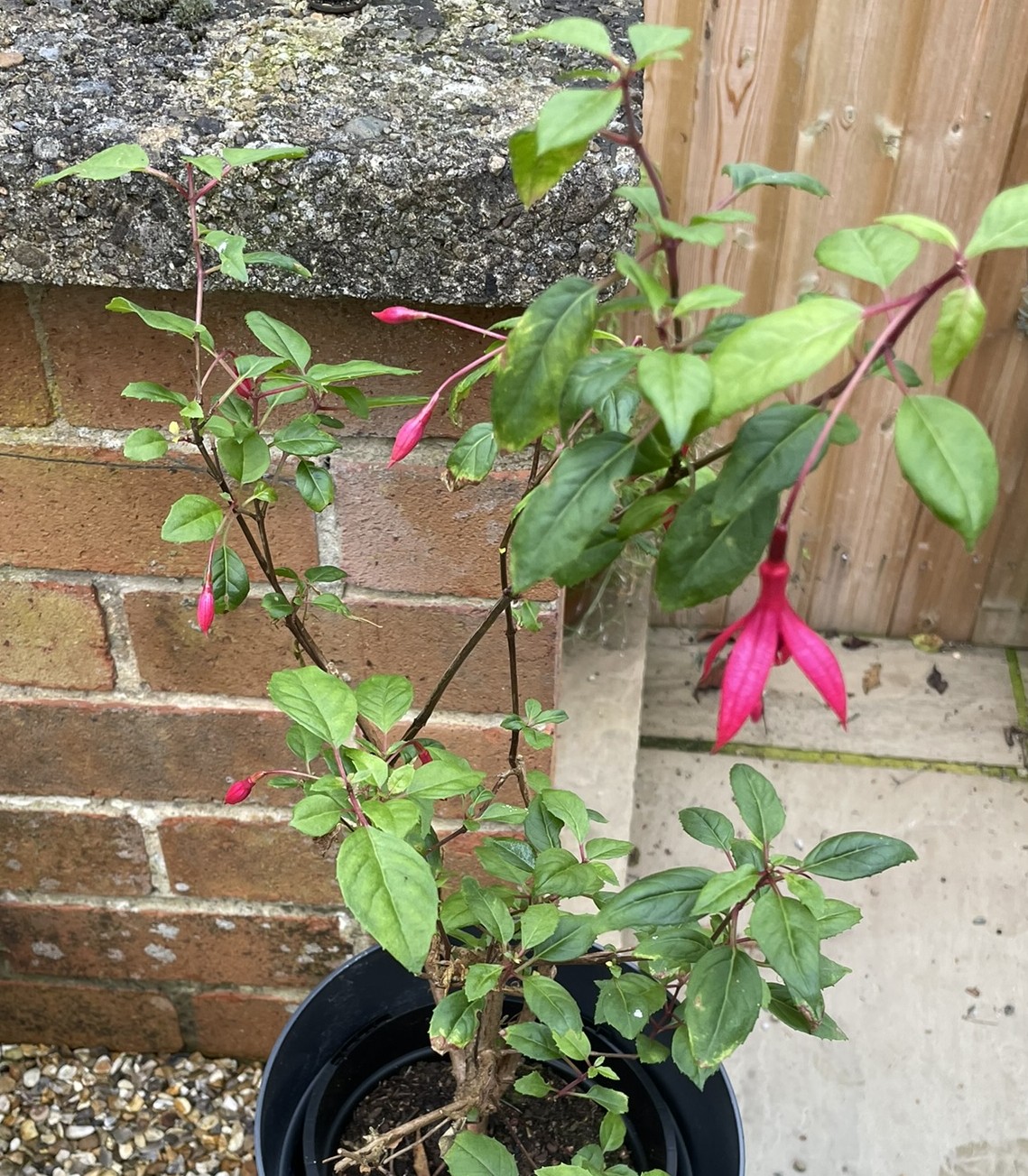
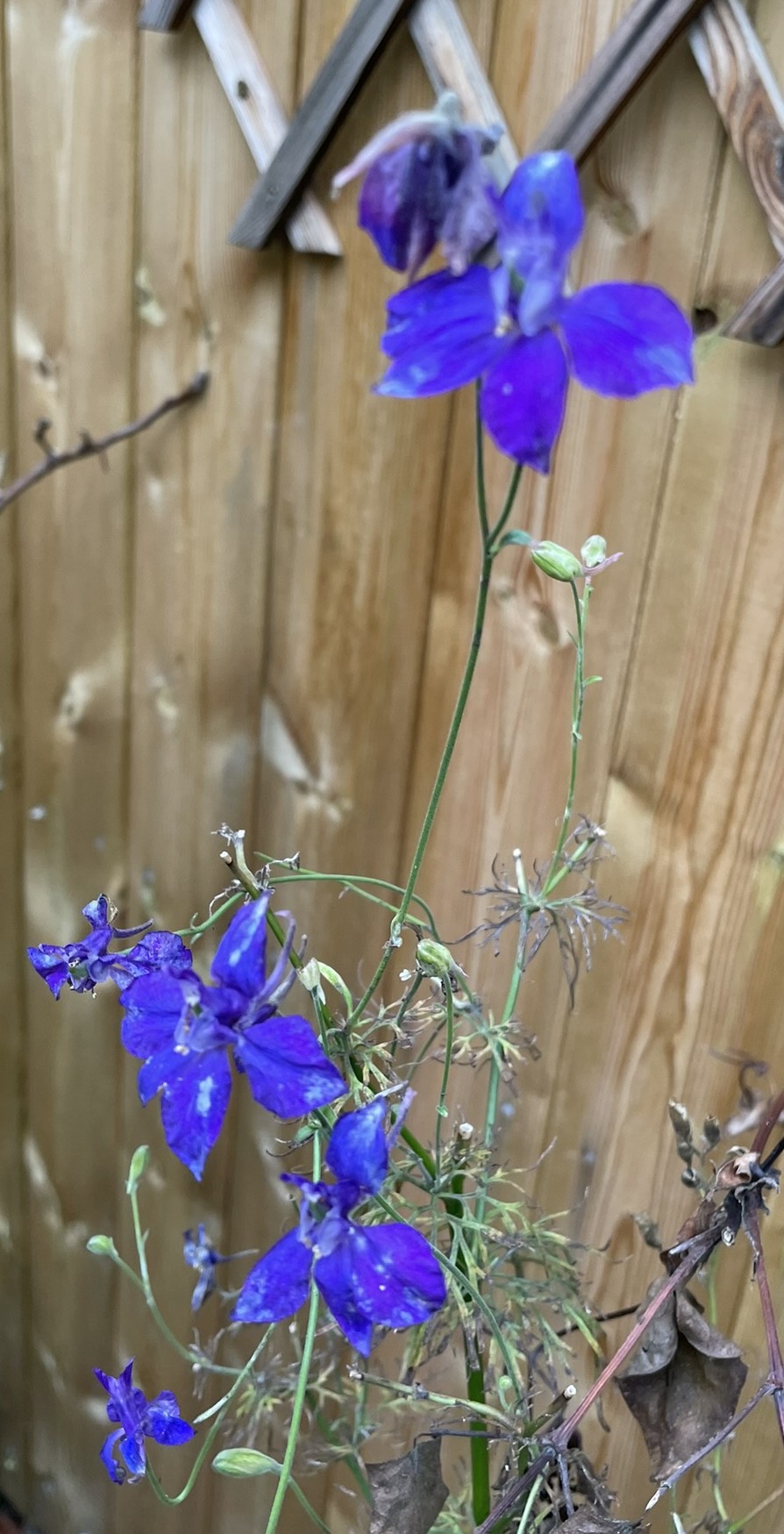
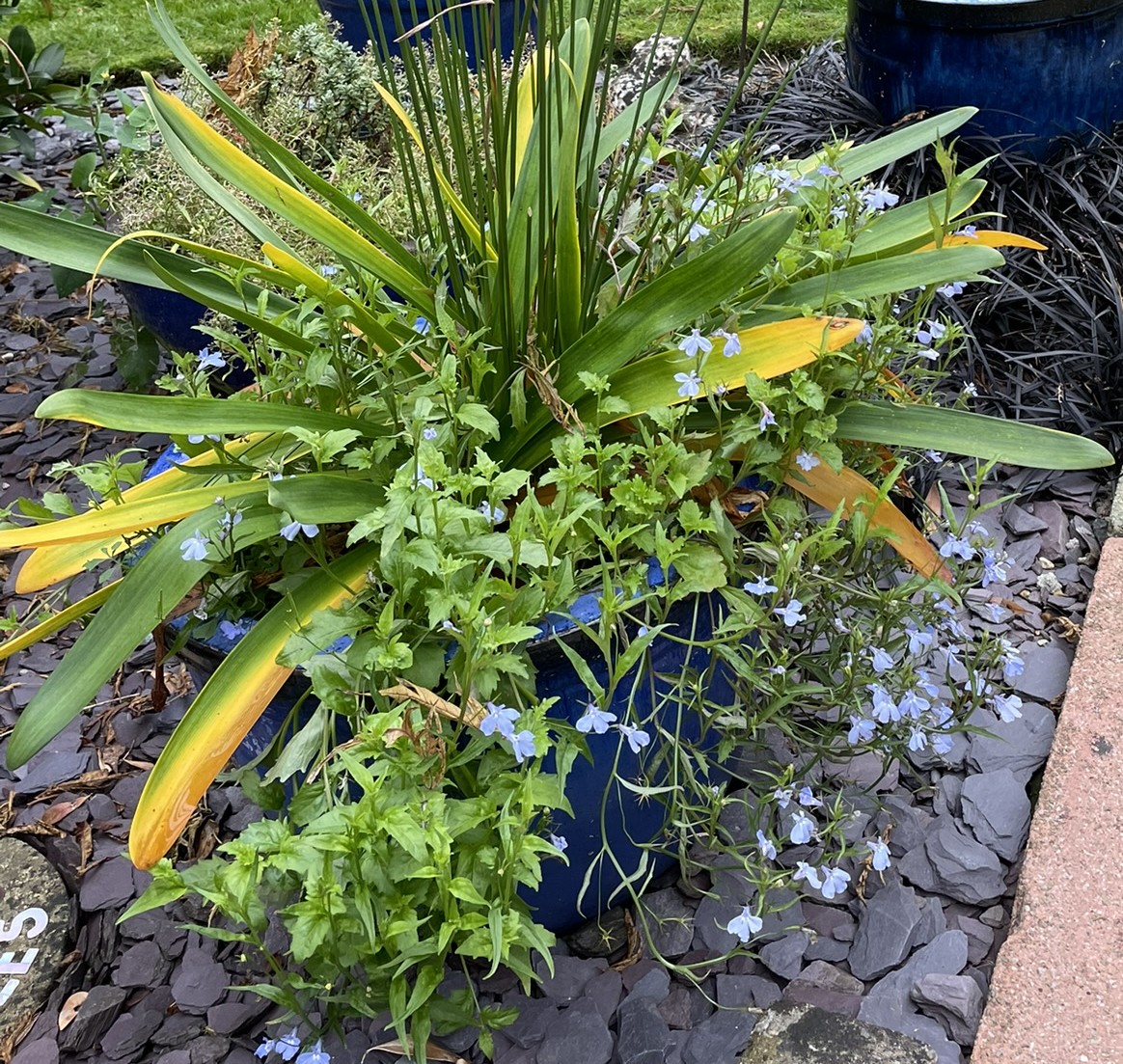
Of course there aren’t any tulips flowering in our borders and pots at the moment, but up until the very recent drop in temperatures, I was surprised how many flowers were still blooming in my garden. Of course Jack and Bert have put paid to all that, but it was lovely to see while it lasted!


 Rambling Rose
Lovely informative blog – I have some bulbs that need going in now so I will have to get planting. Love that tulips are actually named after the turban!
LikeLike